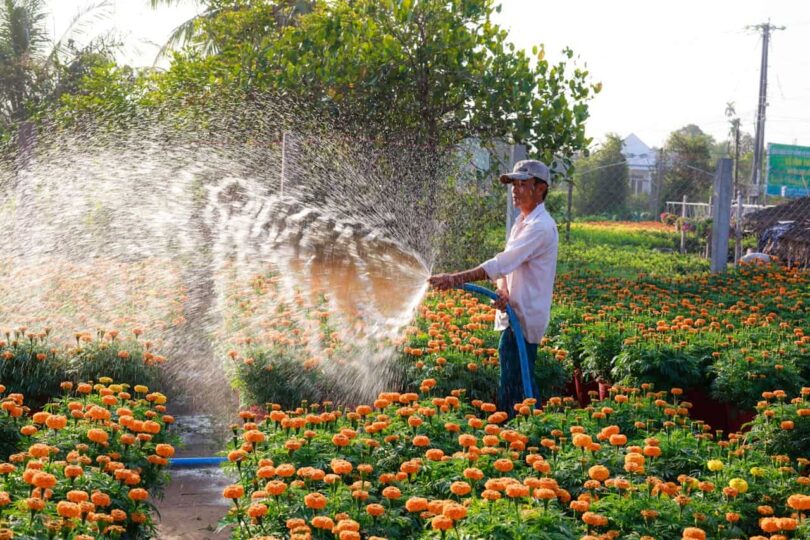
Canada’s horticultural and landscaping sectors are flourishing, thanks to diverse climates across its provinces and a strong emphasis on sustainable urban development. From sprawling botanical gardens in British Columbia to neatly manicured lawns in Ontario, professional gardeners play a vital role in maintaining the country’s green spaces. With multiple recruitment drives currently underway, Canada offers abundant opportunities for both local and international applicants seeking Gardener jobs with competitive hourly wages ranging from $20 to $50 per hour.
Gardening in Canada is far more than just tending flowers and lawns. It’s a profession deeply intertwined with ecology, urban development, and sustainability. As a gardener, you might find yourself working in various settings:
- Residential Properties: Maintaining ornamental gardens, lawns, and landscaping features.
- Commercial Landscapes: Tending to business complexes, shopping malls, and corporate grounds that require year-round upkeep.
- Public Parks and Municipal Spaces: Maintaining greenery, public gardens, and recreational areas owned by local or provincial governments.
- Botanical Gardens and Conservatories: Specializing in exotic plant care, educational outreach, and conservation projects.
Each province brings unique opportunities due to its distinct climate. For instance, coastal British Columbia is known for milder winters and lush vegetation, whereas the Prairies (Alberta, Saskatchewan, and Manitoba) offer unique challenges with more extreme temperatures.
Ontario and Quebec boast major urban centers where municipal landscaping and private property maintenance flourish. Meanwhile, the Atlantic provinces (like Nova Scotia and New Brunswick) have coastal conditions that require specialized knowledge of salt-tolerant plant species.
Why Gardeners Are in High Demand
a) Growing Real Estate Developments
Canada’s real estate market continues to expand, with new housing developments, condominiums, and commercial complexes emerging regularly. These properties—whether sold or rented—often feature professionally designed landscapes that require expert gardeners to install and maintain. New development projects frequently incorporate green roofs, communal gardens, and shared outdoor spaces, all of which need ongoing maintenance.
b) Environmental Consciousness
With a rising focus on sustainability and climate adaptation, local governments are investing in public green spaces, community gardens, and reforestation initiatives. This shift towards greener living practices translates into more projects and stable career opportunities for those skilled in horticulture.
c) Year-Round Opportunities
Contrary to popular belief, gardening in Canada isn’t just a warm-weather job. Winter horticulture—which includes preparing landscapes for frost, pruning, and greenhouse maintenance—ensures that there is work available throughout the year, especially for gardeners who are willing to diversify their skill sets.
Salary Expectations: $20 – $50 per Hour
While entry-level gardeners in Canada can expect to earn around $20 per hour, experienced horticulturists and specialized landscapers can command rates as high as $50 per hour—especially in metropolitan areas like Toronto, Vancouver, and Calgary. Factors influencing salary include:
- Certification and Education: Formal training in horticulture, landscape design, or arboriculture can elevate your earning potential.
- Location: Urban centers with high property values often pay more. Remote or northern regions sometimes offer higher wages to attract skilled workers.
- Specialization: Certain areas like organic gardening, hydroponics, or arboriculture can lead to more lucrative roles.
- Experience: Like most professions, seasoned gardeners with a proven track record can negotiate better pay and benefits.
Responsibilities of a Gardener in Canada
While the job description may vary based on the employer—be it a private homeowner, a landscaping company, or a municipal government—the core responsibilities of a gardener often include:
- Planting and Transplanting
- Selecting appropriate plant species based on climate, soil conditions, and aesthetic goals.
- Using horticultural best practices to ensure successful growth and minimal plant stress.
- Pruning and Trimming
- Maintaining the health and shape of shrubs, hedges, and trees by removing dead or overgrown branches.
- Identifying disease or pest issues early to prevent widespread damage.
- Soil and Lawn Care
- Testing and amending soil to optimize plant growth.
- Mowing, edging, fertilizing, and aerating lawns for lush, healthy turf.
- Integrated Pest Management (IPM)
- Monitoring gardens for pest activity and diseases.
- Implementing eco-friendly control measures when necessary, aligning with Canada’s environmental guidelines.
- Seasonal Maintenance
- Preparing flower beds for spring planting and carrying out fall clean-up tasks like leaf removal.
- Winterizing outdoor areas, which can include mulching, wrapping delicate shrubs, and ensuring greenhouses are functioning efficiently.
- Equipment Handling
- Operating tools like lawnmowers, trimmers, chainsaws, and irrigation systems safely.
- Following Workplace Hazardous Materials Information System (WHMIS) standards to store and use gardening chemicals responsibly.
- Client or Employer Communication
- Providing professional advice on plant care, design ideas, or maintenance schedules.
- Collaborating with landscapers, arborists, or property managers to achieve cohesive landscape aesthetics.
Skills and Qualifications Needed
While you don’t necessarily need a formal degree to become a gardener, certain qualifications can greatly boost your prospects:
- Horticultural Knowledge
- Understanding plant biology, soil science, pest management, and fertilizers.
- Staying updated on region-specific gardening techniques.
- Technical Aptitude
- Ability to operate and maintain gardening tools, from small hand tools to motorized equipment.
- Basic carpentry or irrigation system knowledge is also an asset for many landscaping roles.
- Physical Stamina
- Gardening can be physically demanding, involving lifting, bending, kneeling, and standing for extended periods.
- Adhering to proper safety and ergonomic guidelines to avoid injury.
- Time Management
- Balancing multiple tasks such as planting, pruning, weeding, and liaising with clients or team members.
- Handling seasonal workloads effectively to meet project deadlines.
- Communication and Customer Service
- Dealing with clients or property owners who may have specific preferences regarding garden layouts and aesthetics.
- Working collaboratively with other team members, such as landscapers, arborists, and site supervisors.
- Certification or Formal Training (Optional but Beneficial)
- Certificates from horticultural schools or organizations like the Canadian Nursery Landscape Association (CNLA).
- Provincial/territorial trade certifications, where applicable.
Work Permit and Immigration Pathways
For foreign workers aspiring to become gardeners in Canada, securing legal authorization to work is paramount. Several immigration and work permit options are available:
- Temporary Foreign Worker Program (TFWP)
- Employers facing labour shortages in horticulture or landscaping may hire foreign nationals.
- Typically requires a Labour Market Impact Assessment (LMIA), proving no qualified Canadian is available for the role.
- Seasonal Agricultural Worker Program (SAWP)
- While primarily for farmworkers, some gardening and landscaping roles may fall under specific agricultural exemptions.
- Participation is contingent upon bilateral agreements between Canada and certain countries.
- Provincial Nominee Programs (PNP)
- Provinces have the authority to nominate individuals who meet specific labour market needs.
- Skilled gardeners with targeted expertise or recognized certifications may qualify under certain provincial streams.
- Express Entry (Skilled Worker Categories)
- While most roles in horticulture are classified as “low or semi-skilled,” some landscaping supervisory or managerial positions can fit into National Occupational Classification (NOC) categories eligible under Express Entry.
- A valid job offer and relevant experience can significantly boost your Comprehensive Ranking System (CRS) score.
- International Experience Canada (IEC)
- Available to citizens of partner countries, offering Working Holiday visas or Young Professional streams for individuals aged 18-35.
- Allows temporary work in Canada, ideal for those wanting to gain horticultural experience before pursuing long-term opportunities.
Important Note: Always refer to the official Government of Canada website or consult qualified immigration consultants for accurate, up-to-date information on work permit options. Regulations and program details can change frequently.
How to Apply
If you’re ready to pursue a Gardener job in Canada, here is a concise roadmap to get started:
- Prepare Your Résumé and Portfolio
- Highlight relevant gardening or horticultural experience, emphasizing hands-on roles, certifications, and project successes.
- If available, include photographs or written testimonials from previous clients or employers.
- Research Potential Employers
- Look for landscaping companies, greenhouses, golf courses, and municipal job postings.
- Online job portals such as Indeed, LinkedIn, and specialized horticulture boards are excellent starting points.
- Tailor Your Application
- Customize your cover letter to each potential employer, demonstrating knowledge of their landscaping style or scope of operations.
- Mention specific skills, like arboriculture or organic gardening, if they align with the role.
- Inquire About Work Permit Support
- For international applicants, confirm whether the employer is familiar with the LMIA process or other immigration pathways.
- Ask about any in-house resources or legal support they might provide.
- Interview Preparation
- Expect questions on plant identification, pruning techniques, seasonal care routines, and equipment usage.
- Showcase your adaptability—employers often value candidates who can handle varied tasks in different climates.
- Gather Required Documentation
- If hired, you’ll need to submit documentation (e.g., employment contract, proof of qualifications) for your work permit application.
- Follow Canadian immigration guidelines meticulously to avoid processing delays.
- Relocation and Arrival
- If you’re moving from abroad, plan your travel and accommodations well in advance.
- Familiarize yourself with local gardening regulations, climate conditions, and safety standards.
Potential Career Growth and Specializations
Gardening in Canada can serve as an entryway into various related fields. Here are some paths to consider:
- Landscape Design or Landscape Architecture
- With additional education or certifications, you can shift from hands-on gardening to landscape planning and design.
- Involves creating functional and aesthetically pleasing outdoor environments for residential, commercial, or public projects.
- Arboriculture
- Focus on tree care, including pruning, disease management, and safe tree removal.
- Arborists with climbing expertise and certifications often command premium wages.
- Greenhouse and Nursery Management
- Oversee the propagation and sale of plants, including flowers, vegetables, and ornamental trees.
- Requires knowledge of agribusiness practices, pest control, and greenhouse technology.
- Environmental Restoration
- Participate in reforestation or wetland restoration projects that align with Canada’s conservation goals.
- Can involve working with government agencies, NGOs, or private environmental consultancies.
- Horticultural Therapy
- Combine gardening with therapeutic techniques to support physical and mental well-being in schools, senior homes, and hospitals.
- A growing niche that places horticulture within wellness and healthcare contexts.
- Entrepreneurship
- Launch your own gardening or landscaping business, catering to homeowners, businesses, and local communities.
- Allows greater control over pricing, service range, and work-life balance.
Where to Find Gardener Jobs in Canada
Although online job portals remain a popular avenue for finding gardening roles, several additional resources can help refine your search:
- Municipal Websites
- City and town websites often post openings for parks and recreation positions, including gardeners.
- Look under the “Careers” or “Employment Opportunities” section.
- Horticultural Associations
- Organizations like the Canadian Nursery Landscape Association (CNLA) or provincial horticultural societies maintain job boards and networking events.
- Attending conferences or workshops offers direct access to potential employers.
- Community Notice Boards
- Small towns and suburban communities sometimes post local job ads in community centers, libraries, or gardening supply stores.
- Word-of-mouth referrals can be especially valuable in tight-knit areas.
- Staffing Agencies Specializing in Landscaping
- Certain recruitment firms specialize in skilled trades and manual labor positions, helping pair gardeners with suitable employers.
- These agencies may also guide you through relevant paperwork, particularly for foreign workers.
- Professional Networking Platforms
- LinkedIn remains a powerful tool for connecting with landscaping companies, municipal agencies, and horticultural experts.
- Join groups dedicated to landscaping or horticulture to learn about upcoming opportunities.
Top Tips for Building a Successful Gardening Career
- Stay Current with Trends
- Familiarize yourself with sustainable landscaping methods, eco-friendly fertilizers, and water-saving irrigation systems.
- Adopting green techniques can attract environmentally conscious clients and employers.
- Invest in Continuous Learning
- Seek certifications in niche areas like organic horticulture, arboriculture, or horticultural pest management.
- Attend workshops, webinars, or short courses to deepen your skill set.
- Develop Good Business Etiquette
- Polite communication, punctuality, and a willingness to tailor services to client needs can set you apart.
- Build long-term relationships by offering reliable, quality service.
- Showcase Your Work Online
- Share pictures of gardens you’ve cultivated or landscapes you’ve designed on a personal blog, social media, or portfolio website.
- Positive client testimonials can boost credibility and attract new opportunities.
- Network Actively
- Connect with local horticultural clubs, volunteer in community garden projects, and attend home & garden expos.
- Networking can lead to collaborations, referrals, and even job openings not advertised publicly.
- Maintain Safety Standards
- Familiarize yourself with Workplace Hazardous Materials Information System (WHMIS) and Occupational Health and Safety regulations.
- Proper handling of chemicals, tools, and equipment reduces risks and can save on insurance costs.
Conclusion
With multiple recruitment initiatives currently underway, Canada’s horticultural sector offers a wealth of opportunities for both local and international applicants. The Gardener job is diverse, from designing vibrant flowerbeds in suburban neighborhoods to maintaining meticulous lawns in bustling metropolitan centers. Hourly wages generally range from $20 to $50, depending on factors like location, level of expertise, and specialization.
Aspiring gardeners should focus on building robust horticultural knowledge, investing in quality tools, honing communication skills, and exploring relevant work permit or immigration pathways if applying from abroad.